Table Of Contents
Key Takeaways
- Summary of Potato Characteristics and Nutritional Insights
- Examination of Caloric Content in Potatoes
- Details on Potato Nutritional Information
Overview of Potatoes
Potatoes, a versatile staple food, come in various forms, including red potatoes, sweet potatoes, and the popular potato chips. Originating from the potato plant, these tubers can be transformed through various cooking methods, such as baking for a fluffy baked potato or frying for crispy fried potatoes. Culinary enthusiasts often ponder, “How many calories are in a potato?” since the caloric content can vary based on preparation and type. Sweet potatoes, for example, offer a nutritious, naturally sweet alternative to traditional potatoes. Understanding these differences enhances cooking potatoes’ appeal, making them a favorite in kitchens worldwide.
- Potatoes are rich in vitamins, especially vitamin C and B6.
- They are a great source of dietary fiber, which aids digestion.
- Potatoes can be prepared in a multitude of ways: boiled, mashed, roasted, or fried.
- They have a high water content, making them low in calories when not fried.
- Different varieties of potatoes have unique flavors and textures, influencing dish choices.
- Sweet potatoes are often touted for their lower glycemic index compared to regular potatoes.
- Potatoes can be stored for long periods under the right conditions, making them a convenient food choice.
Popular Types of Potatoes
Russet potatoes are among the most popular varieties, celebrated for their high starch content. This makes them ideal for baked potatoes and fries, providing a fluffy interior and a crispy exterior when cooked at high temperatures. Many people wonder, “How many calories are in a potato?” A medium-sized russet typically contains around 200 calories. This versatility allows them to shine in various dishes, from creamy mashed potatoes to crunchy potato crisps.
Purple potatoes offer a unique twist on traditional varieties, with their vibrant color and nutty flavor enhancing both the visual appeal and taste of meals. Boiled potatoes can be enjoyed as a simple side or transformed into comforting roasted potatoes. Their calorie count is similar to that of russet potatoes, making them a healthy option. For those interested in alternative uses, potato flour is a gluten-free option that can be used in baking, while fries and potato crisps remain popular snacks beloved by many.
Culinary Uses of Potatoes
Potatoes offer a versatile base for various culinary creations. French fries and potato chips are popular fried foods that highlight their starchy qualities. These preparations can greatly impact calorie count, prompting many to ask, “How many calories are in a potato?” Cooking methods influence the nutritional value and calorie content. For instance, while a boiled potato may provide lower calories, fried versions dramatically increase the calorie load, which is a significant consideration for food intake and overall nutrition facts.
The potato’s nutrient density allows it to be utilized in numerous recipes beyond just snacks. Mashed potatoes, baked potatoes, and potato salads are staples that showcase its adaptability. Many cultures incorporate potatoes into their diets, with variations reflecting regional tastes and customs. The Food and Nutrition Board acknowledges potatoes as a valuable source of nutrients, balancing well against other common vegetables like corn. Knowing how many calories are in a potato helps consumers make informed choices in their meals.
Understanding Potato Nutrition
Potatoes, as a popular starchy vegetable, play a significant role in food crops and diets around the globe. As a meal component, they offer a unique blend of macronutrients and micronutrients that contribute to food and nutrition. With a focus on dietary reference intakes, understanding how many calories are in a potato becomes vital for those monitoring their calorie consumption. Depending on the cooking method, such as frying or baking, the caloric content can vary significantly. On average, a medium-sized potato contains approximately 130 grams of calories, while providing essential vitamins and minerals that make them a nutritious choice compared to other vegetables like beans.
Macronutrients Found in Potatoes
Potatoes are a source of essential macronutrients that contribute significantly to a balanced diet. A medium-sized potato typically contains around 160 calories, making it a filling option for many meals. Dietary fiber is present in substantial amounts, which aids digestion and promotes satiety. Alongside fiber, potatoes provide carbohydrates that serve as a quick energy source. This nutrient profile makes them a staple in various culinary traditions, often paired with foods like baked beans or butter to enhance flavor and nutritional content.
The potassium content in potatoes is particularly noteworthy, as this mineral plays a crucial role in maintaining healthy blood pressure and muscle function. A standard serving of potato delivers more potassium than a banana, solidifying its place as a nutrient-dense food. Addressing the question of how many calories are in a potato reveals that different cooking methods and sizes can alter the caloric count; for example, baked potato calories can vary based on whether it is served with toppings or as a simple side dish. Understanding potato nutrition helps individuals make healthier dietary choices while enjoying this versatile vegetable.
“`html
| Macronutrient | Amount per Medium Potato (150g) | Daily Value (%DV) |
|---|---|---|
| Calories | 160 | 8% |
| Carbohydrates | 37g | 12% |
| Dietary Fiber | 4g | 16% |
| Protein | 4g | 8% |
| Potassium | 620mg | 18% |
“`
Micronutrients and Health Benefits
Potatoes are not only versatile in the kitchen but also packed with essential micronutrients that contribute to overall health. A small potato can provide a good source of Vitamin C, B6, and potassium. These nutrients support immune function, help in the generation of red blood cells, and regulate blood pressure. Alongside these health benefits, understanding potato nutrition facts can help consumers make informed choices, especially when considering their favorite potato options, whether it’s a standard baked potato or a twice-baked potato calorie option.
A wide range of potato varieties exists, each offering different health benefits and culinary uses. For instance, the darker-skinned potatoes may contain higher levels of antioxidants, while a medium potato often provides a solid balance of vitamins and minerals. Engaging in the potato game of exploring different types can lead to discovering new favorites packed with nutrients. Even those who ponder how many calories are in a potato will find that a pound of potatoes can vary in caloric content based on the variety and preparation method. Awareness of potato sprouts should also be noted, as they can impact the nutritional value of the vegetable.
How Many Calories Are in a Potato?
Potatoes offer a nutritious option for those looking to balance their diet. A medium potato contains just 110 calories, making it an excellent choice for a pre-workout potato snack or a healthy potato-based side. Different varieties, such as white potatoes, provide a similar caloric content, while cooked potatoes retain much of their nutrient value. The caloric count can vary based on preparation methods, with potato recipes that include added fats or cheeses increasing the overall count. Understanding how many calories are in a potato can help in meal planning, ensuring that potatoes fit well within a balanced diet, especially for those who utilize potato protein as part of their nutrition goals.
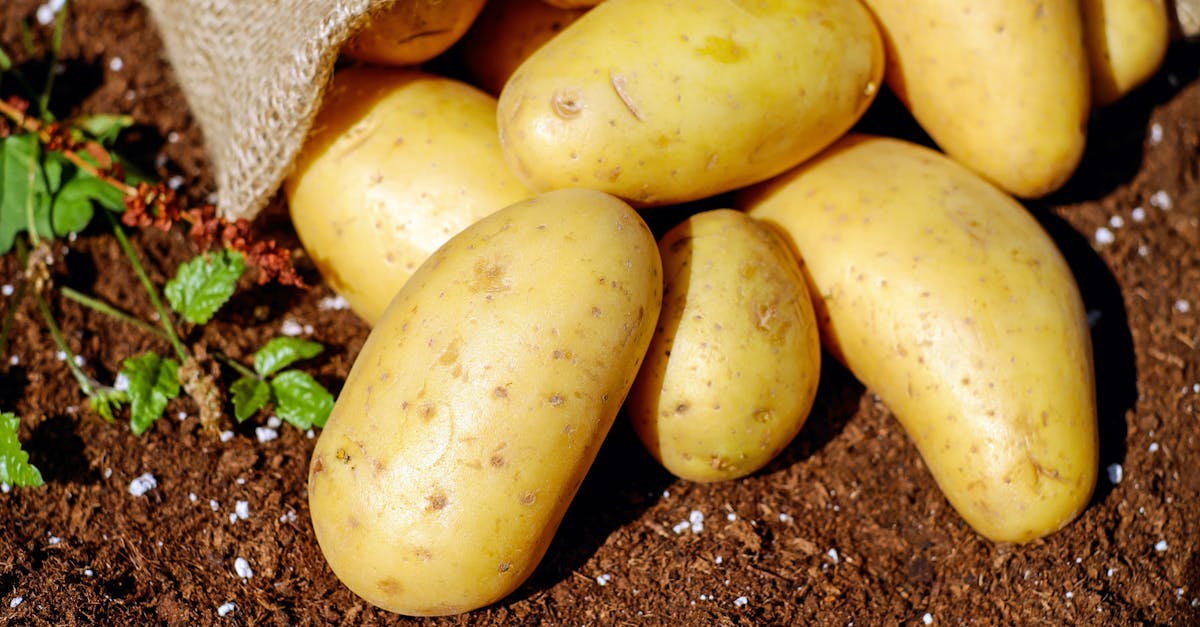
Caloric Content of Different Potato Varieties
The caloric content of potatoes varies by type and preparation method. A medium-sized baked potato typically contains around 160 calories, while the same amount of fried potatoes can have significantly more due to the oil used in frying. Questions like “How many calories are in a potato?” often lead consumers to consider healthier options, such as plain potatoes or raw potatoes, which maintain their nutritional integrity without added fats. The cooking method can dramatically alter the caloric value, with twice-baked potatoes or loaded baked potatoes having much higher calorie counts compared to their plain counterparts.
Different potato varieties also offer varying caloric profiles. For instance, a glorious potato like the russet may contain 168 calories per medium serving, while fingerling or red potatoes generally pack fewer calories. The interest in potato protein concentrate has risen, showcasing another nutritional aspect of potatoes. Understanding how the caloric content fluctuates depending on preparation and variety can help consumers make informed dietary choices. Eating potatoes is not only satisfying but can also fit into various dietary plans if prepared mindfully.
Factors Affecting Potato Caloric Count
Several factors contribute to the caloric content of potatoes, influencing how many calories are in a potato. Different varieties, like red-skinned potatoes, can have slightly varied caloric values, with red-skinned potatoes averaging about 160 calories for a medium-sized serving. The preparation method also plays a crucial role; for instance, microwaving potatoes tends to retain more nutrients while keeping the caloric count lower compared to frying. Potato fibers and potato protein powder can also impact the overall health effects of potatoes, affecting digestion and satiety.
Cooling potatoes after cooking can alter their nutritional profile, transforming some of the starches into resistant starch. This process can potentially lower the caloric content as well. A hearty potato meal might combine potatoes with other ingredients, thus changing the total calorie count. It’s also essential to consider that some individuals may have a potato allergy, which can affect their dietary choices surrounding potatoes. Overall, understanding these factors can clarify how many calories are in a potato and its implications for a balanced diet.
Potato Nutrition Facts
Understanding the nutritional profile of potatoes is crucial for those monitoring their calorie intake. A standard baked russet potato typically contains around 110 calories, while a smaller variety, like the baked potato joegough, may offer a lower calorie count of about 87 calories. Individuals looking to indulge in recipes such as a twice-baked potato aga7ta should be mindful of the added calories that come from additional butter, cheese, or toppings. This can significantly alter the total calorie count. Those curious about how many calories are in a potato might consider that the choice of preparation can lead to variations in excess calories consumed, which is essential for maintaining a balanced diet. For example, potato david marsden’s cooking method can influence the overall caloric content, demonstrating how preparation techniques matter in culinary practices.

Comparison with Other Common Vegetables
Potatoes are among the most-consumed vegetables globally, often serving as a staple in various diets. Their caloric content can vary greatly depending on preparation methods. For instance, how many calories are in a potato? A baked or boiled potato has fewer calories compared to fried forms like fries or fried chips, which can significantly increase calorie density. This transformation into high-fat foods contributes to a higher calorie count, affecting daily calorie limits for those aiming to maintain a nutrient-dense diet.
Comparing potatoes to non-starchy vegetables reveals stark differences in their nutritional profiles. While potatoes provide a substantial source of carbohydrates and can be part of healthy vegetable dishes, non-starchy vegetables generally offer fewer calories and more fiber. Understanding these distinctions allows individuals to make informed choices about their meals, balancing the inclusion of potatoes with other vegetables to achieve a varied and healthful diet.
Cultural and Regional Variations in Potato Consumption
Potatoes serve as a staple in various cuisines around the globe, reflecting local tastes and nutritional needs. The average adult diet often incorporates potatoes due to their substantial nutrition profile, making them a common choice for a delicious meal. In many cultures, potatoes are prepared in diverse ways, whether mashed, fried, or baked, ensuring a balance in diet composition and nutrient intake. Questions like “How many calories are in a potato?” arise frequently, as individuals seek to understand their caloric contribution, which can vary based on preparation methods and portions.
Different regions emphasize distinct culinary traditions involving potatoes, affecting both short-term food intake and overall health. For example, cultures promoting high potassium intake may favor recipes that enhance the nutritional benefits of potatoes, incorporating them into full meals rich in flavor. The nutrition board recognizes potatoes for their high fiber content and essential vitamins, with an average medium potato containing approximately 160 grams, making it a favorite choice for those considering their diet and calorie intake.
Conclusion
The exploration of potatoes reveals their nutritional value and versatility in various cuisines. Understanding how many calories are in a potato is essential for those monitoring their caloric intake. Different potato varieties present varying caloric counts, influenced by preparation methods and serving sizes. Potatoes are also a source of essential water-soluble nutrients, contributing to a balanced diet. The amounts consumed can vary across cultures, showcasing regional preferences and preparation techniques. Recognizing these factors enhances appreciation for this popular vegetable and its role in healthy eating habits.
FAQS
What are the calorie counts for different sizes of potatoes and how do they compare to potato-based foods and snacks like potato chips?
A medium-size baked potato contains just 110 calories, while a pound of potatoes may have about 164 calories. In contrast, potatoes chips, which are often fried potatoes, tend to be high fat foods and contain significantly more calories. For example, depending on the brand and preparation, potato chips can have as many as 150-300 calories per serving. It’s important to note how the cooking method affects the calorie count of potatoes, as frying potatoes increases their fat content and overall calories. Additionally, there are a few potato varieties with varying calorie counts, but generally, a medium potato will have around 87 calories when prepared healthily.
How does the size of a potato affect its calorie count, and what are the health effects of consuming potatoes compared to other potato-based foods?
The size of a potato significantly affects its calorie count. For instance, a medium potato has just 110 calories, while smaller sizes can have around 87 calories. When eaten, potatoes can have various health effects depending on preparation and portion size. Compared to potato-based foods like potato chips, which can be higher in calories and fats, whole potatoes provide more nutrients and lower calories per pound potatoes, making them a healthier choice when prepared in a nutritious way.
How many calories are in a medium potato, and how does the size of a potato affect its calorie count compared to other foods?
A medium potato contains just 110 calories, while smaller sizes have approximately 87 calories. The size potato also affects its health effects, as larger potatoes may have different nutritional values. When considering potatoes, it’s vital to compare these calories to similar foods like potato snacks, as these can significantly increase caloric intake.
How many bytes of data would it take to store the calorie information of medium potatoes, given that just 110 in a medium potato represents an average caloric intake and the health effects of potatoes have been widely studied?
The nutritional information, including calories, of medium potatoes is often summarized in bytes. For instance, just 110 in a medium potato indicates that calories: 87 are present, and understanding how medium potatoes affect our health can help us make better food choices regarding potatoes.
How do different cooking methods affect the calorie content of potatoes and the health effects associated with consuming potatoes?
The cooking method can significantly change the calorie content of potatoes. For example, boiling potatoes generally retains lesser calories compared to frying, which increases the calorie count due to added fats. The health effects of potatoes also vary depending on preparation; baked or boiled potatoes are often considered healthier options compared to those turned into fried snacks. Understanding how different methods affect the properties of potatoes can help in making healthier choices.
What factors should be considered when discussing the health effects of consuming potatoes and how these affect our dietary choices regarding potatoes?
When considering the health effects of potatoes, it is important to evaluate how different cooking methods and serving sizes affect the caloric intake. Potatoes, when prepared healthily, can be part of a balanced diet, but it’s crucial to understand how certain additives can turn potatoes into unhealthy options. Additionally, the rua potatoes and their nutritional value can play a significant role in influencing dietary choices, as different factors affect how we incorporate potatoes into our meals.
What are the key factors that influence the health effects of potatoes when included in our diet?
When considering the health effects of potatoes, factors such as preparation methods, portion sizes, and the overall dietary context play a crucial role. For instance, how potatoes are cooked can significantly affect their calorie content and nutritional value, ultimately influencing the health effects potatoes may have on an individual’s diet. Additionally, consuming potatoes alongside other foods can also affect their health impacts.
How do the effects of consuming different types of potatoes compare in terms of health benefits?
The health effects of consuming various types of potatoes can differ significantly. For instance, sweet potatoes are often touted for their higher vitamin A content, while regular potatoes provide essential nutrients like potassium. Understanding how these different types of potatoes affect your health can help inform better dietary choices regarding potatoes in your meals.
How do the different types of potatoes affects their nutritional value and overall health benefits?
The nutritional value of potatoes can vary significantly between types, and this affects how potatoes are integrated into a healthy diet. Different varieties of potatoes, such as russet, red, and sweet potatoes, have distinct flavors and nutrient compositions, which can influence health benefits. Understanding how these different types of potatoes affects our dietary choices is essential for maximizing their benefits while minimizing potential health risks.
How do potatoes influence dietary choices compared to other carbohydrate sources?
Potatoes are a versatile food that can influence dietary choices significantly, serving as a main carbohydrate source. When compared to other carbohydrate sources, potatoes provide essential nutrients while being relatively low in calories, which makes them a favorable option for many diets. The importance of incorporating potatoes into a balanced diet can lead to positive health outcomes, as they offer beneficial nutrients that enhance overall well-being.
Related Links:
How Many Calories are in Chicken Breast?
How Many Calories Are In Avocado ?
How many calories are in cooked rice?
How many calories are in a boiled egg?
How many calories are in a slice of bread?
How many calories are in a banana?
How many calories are in an apple?